Paper tape for durable plasterboard joints
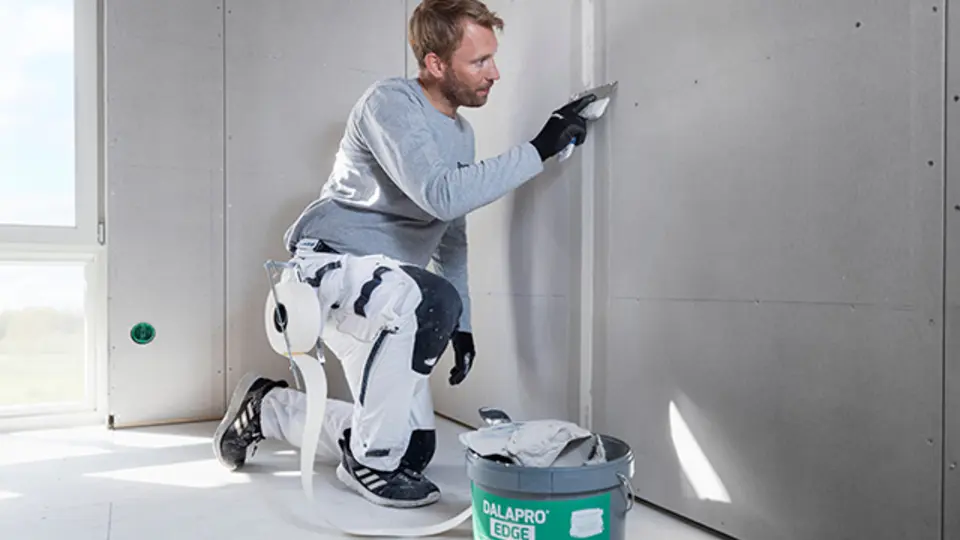
Here is a crash course in joint filling using paper tape for decorators and resellers. Often referred to as paper tape, filler tape or simply by its product name, Joint Tape.
Why use paper tape – avoid cracks and joint visibility in drywall joints
Paper tape reinforces the joint so that it binds together with the plasterboard panels. The result is fewer cracks, less remedial work and a surface that lasts over time –even when the climate changes.
Scanspac Joint Tape has extra tensile strength in the paper fibres, enabling it to withstand both stretching and tearing. Getting the first layer right saves both time and money. With the right work on the substrate, i.e. with paper tape and careful application of the filler, you avoid joints being visible in raking light. Uneven areas and joints are otherwise highly visible in rooms where the light enters from the side, e.g. through windows.
To avoid visible joints in raking light, the entire drywall should be fully coated in areas with strong light exposure.
See our Best Finish guide
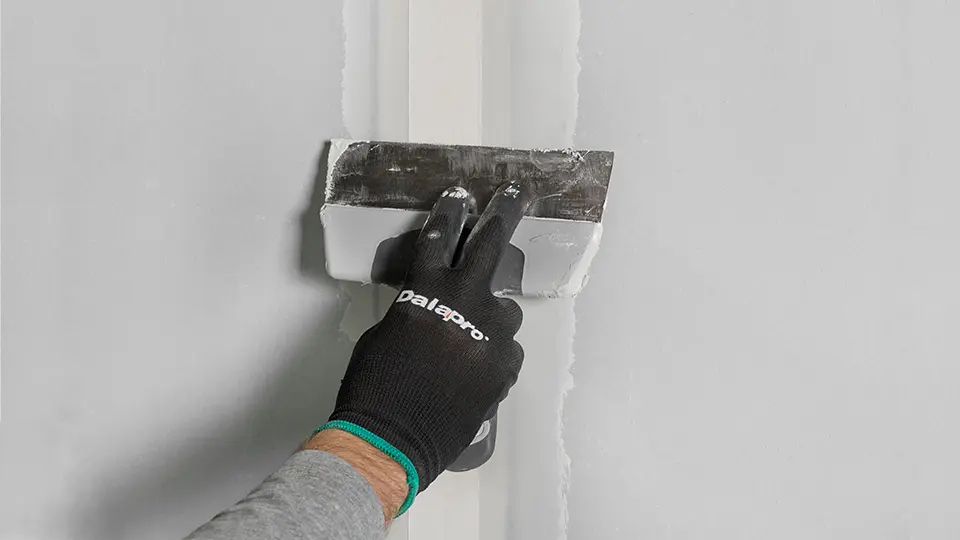
Fill the recess in the plasterboard panel with a 0.5–1 mm thick layer of filler. Use a filler approved for plasterboard joints, labelled in accordance with EN 13963.
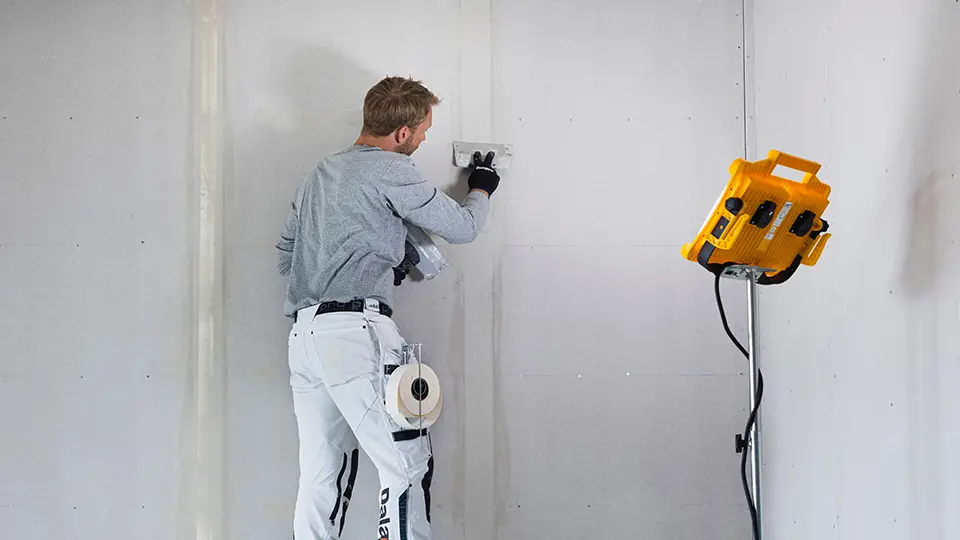
Place the filler tape centrally over the joint in the moist filler with the outer side facing the wall. Press it firmly into place by drawing the putty knife along the joint. Work from the centre and outwards, using the putty knife to force out any air.
Apply a thin layer of filler over the tape immediately and allow to dry.
Apply a slightly broader layer to bevel the surface and allow to dry.
Add one more layer of filler to finely smooth the surface and allow to dry.
Sand. It is then ready for painting.
Please note:
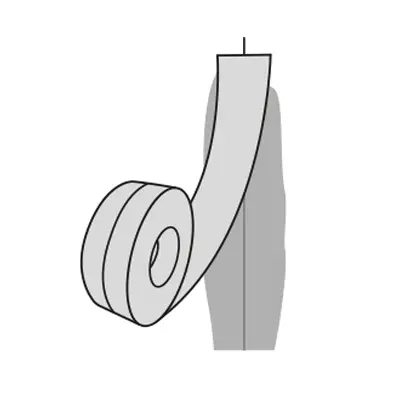
Use the outer side of the tape and position the fold against the substrate.
See instructional video
Different ways of applying joint filler
Joint filling can be performed in many ways, depending on the size of the project, the
work method and the desired finish.
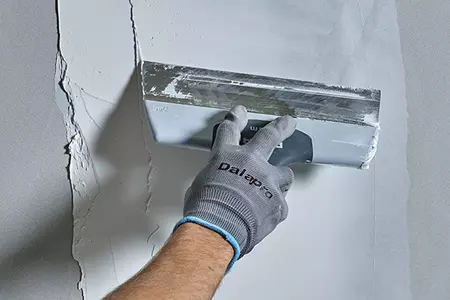
Hand filling is the traditional and most flexible work method. It is ideal for smaller
surfaces, when filler only needs to be applied to a few joints.
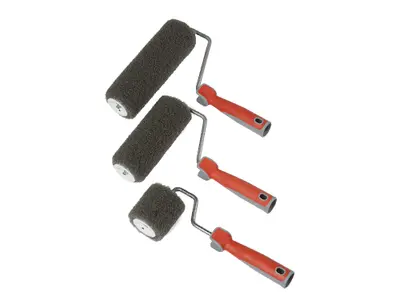
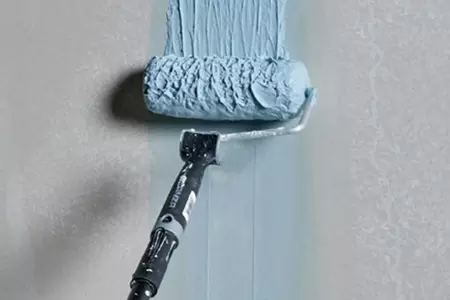
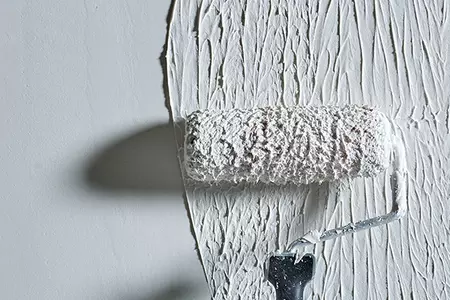
Roller filling is an efficient alternative for larger jobs when filler has to be applied to
more joints. A roller enables the filler to be applied quickly and consistently, reducing
strain on the body and saving time. This method works particularly well in
combination with paper tape on joints. Use a smaller roller just for applying filler in
corners.
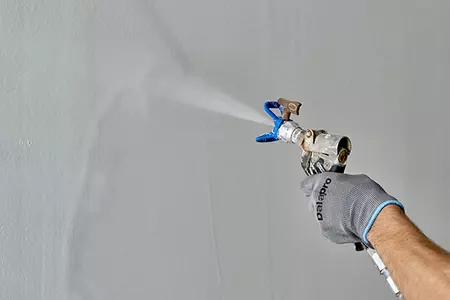
Spray filling is the best choice for large projects and a high production rate. Spray
application provides a fast flow, consistent coverage and an efficient work process,
making it ideal for new production or large renovation jobs.
Whichever method you choose, Dalapro’s fillers produce a consistent, durable result
– choose the application method that is best suited to the scope of the project and
the way you prefer to work.
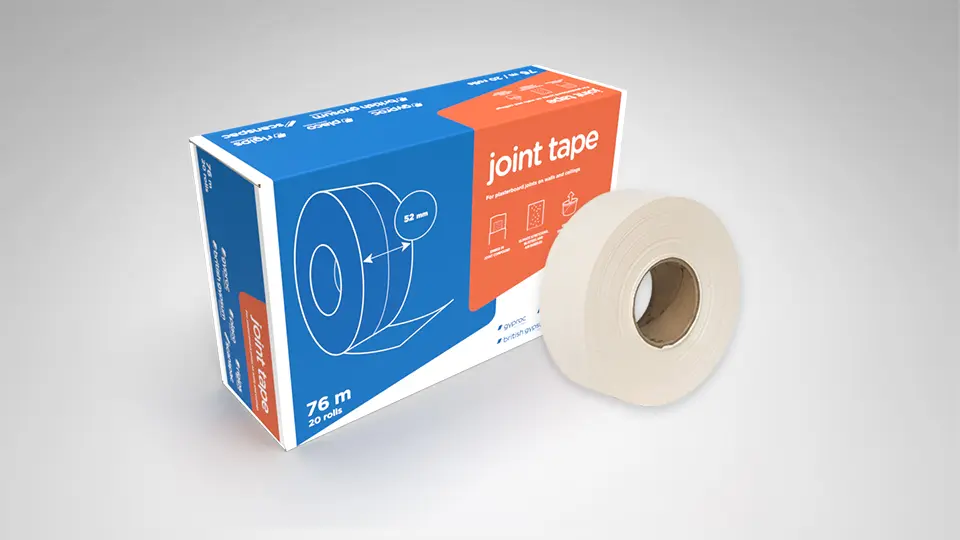
Scanspac Joint Tape – Strong, easy, neat
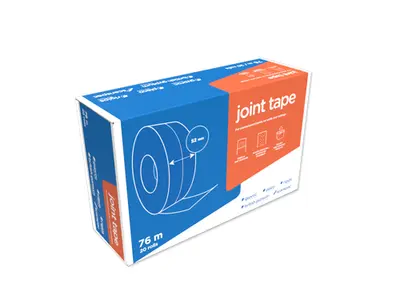
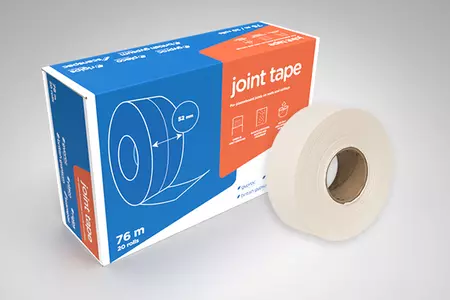
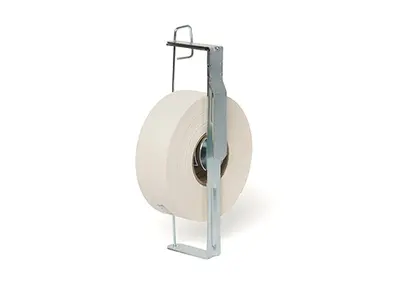
Scanspac Joint Tape is a paper tape that provides strong reinforcement of plasterboard and board joints on walls and ceilings. It is of the highest quality and provides strong adhesion and durability.
The tape is manufactured from paper with extra tensile strength to prevent tearing and stretching. Joint Tape is manufactured using Spark Perf technology, which allows the air in the filler to pass out through the perforation in order to increase binding between filler and tape, to prevent crack formation in joints.
Scanspac Joint Tape is approved according to EN 13963. The product should be used together with filler with CE marking EN 13963, approved for embedding paper tape. Always check National guidelines and regulations when finishing plasterboards.
Scanspac Joint Tape is available in 76 m and 150 m rolls.
The product is manufactured in Sweden.
Scanspac Joint Tape – manufactured in Sweden
In 2024, Scanspac took over the production of Joint Tape from CertainTeed and moved manufacturing from the USA to Örebro in Sweden. We now provide the whole of Europe with Swedish-produced joint tape of the highest quality.
Scanspac Joint Tape is manufactured in Sweden and is of the same high standard that characterises the rest of our product range. Local production ensures consistent quality, shorter supply chains and products that are adapted for Nordic requirements and work methods. This makes Scanspac Joint Tape a safe and reliable choice for strong, durable plasterboard joints.
Which filler should be used together with paper tape?
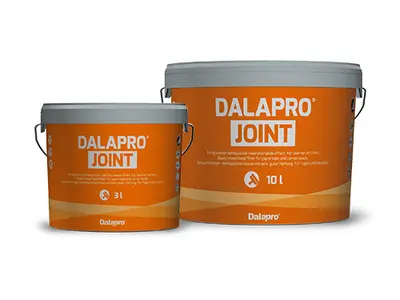
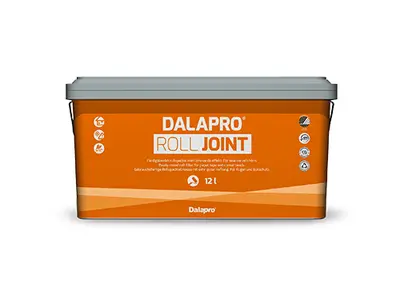
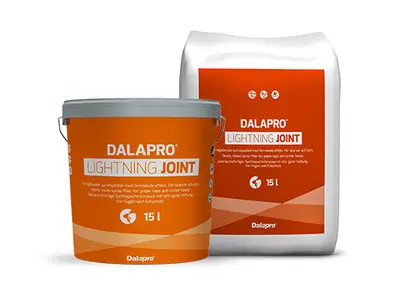
The Dalapro Joint range has been specially developed for joints and corners, with an adhesive effect that provides extra bonding with the paper tape. The range is available as hand, roller and spray filler to suit different work methods.
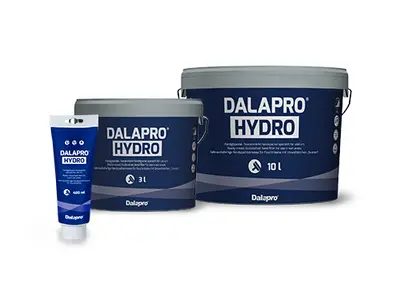
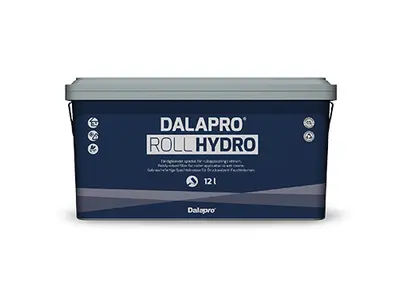
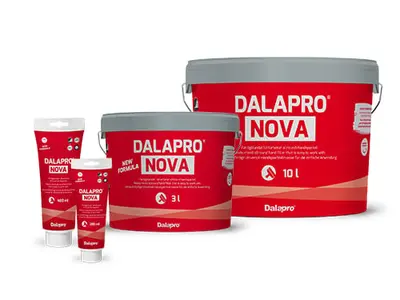
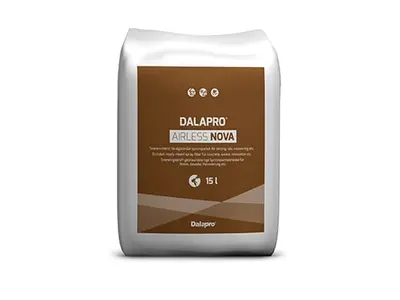
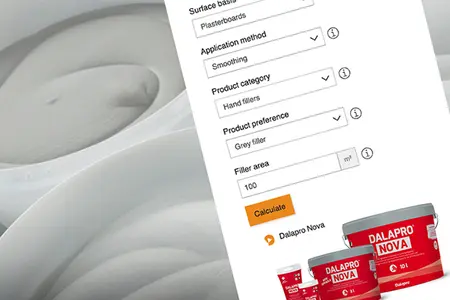
Dalapro Nova is an all-round filler that is also approved for use with filler tape. When it comes to wet rooms, Dalapro Hydro is an approved option.
All of these fillers are CE-marked in accordance with EN 13963.
Please note:
Always use a filler that has CE-marking in accordance with EN 13963 together with Scanspac Joint Tape. This system of filler and tape is required to ensure full strength and durability and creates an approved joint structure in accordance with the requirements of plasterboard suppliers.
Tip!
Paper tape or glass fibre – what’s best?
As an alternative to Joint Tape, which is made of paper, there is also glass fibre tape. However, for a stronger, more durable result on plasterboard panels, Joint Tape is the professional choice. It reinforces the joint effectively, reduces the risk of cracks and provides a consistent surface – even in raking light.
Glass fibre tape is not approved for joint filling on plasterboard panels according to the industry standard. For a reliable, durable result, you should always use a paper tape such as Joint Tape. Glass fibre tape is available as both adhesive tape and regular tape.
Contact us
Have questions? We’re happy to help. You can find all our different contact channels here.