Tips & advice Apply Filters Application methodsSpecial productsCorner beadsPreparatory workSubsequent workApplying filler to different substratesFacts about fillerPaper TapeSucceeding with filling work Filter your result Reset Apply filters Filter 24 results Applying filler to different substrates Applying filler to different substrates Different substrates require different preparations and application methods. Here are some tips to keep in mind. Application methods Hand filling Hand filling is a traditional filling method and is effective when you have to smooth the filler on small areas. Application methods Roller filling Roller filler is a filler that can be easily rolled onto plaster or concrete walls. Application methods Spray filling Spray filling is a fast, ergonomic and economical work method for bigger surfaces. Applying filler to different substrates Applying filler to a plaster wall Here’s a step-by-step guide to applying filler to a plasterboard wall or ceiling. Applying filler to different substrates Applying filler to a painted wall Here’s a step-by-step guide to applying filler to a painted wall. Applying filler to different substrates Applying filler to a wallpapered wall Here’s a step-by-step guide to applying filler to a wallpapered wall. Paper Tape Applying roller filler to joints The easiest way to cover a joint is with roller filler. Here’s a step-by-step guide to doing this. Corner beads Corner beads The external corners of walls are particularly vulnerable to knocks and bumps- it is a good idea to reinforce them! Pagination First page Previous page Page 1 Page 2 of 3 Current page 2 Page 3 Next page Last page
Applying filler to different substrates Applying filler to different substrates Different substrates require different preparations and application methods. Here are some tips to keep in mind.
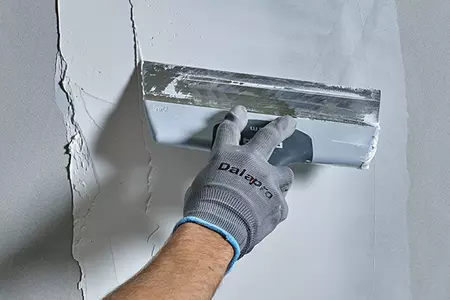
Application methods Hand filling Hand filling is a traditional filling method and is effective when you have to smooth the filler on small areas.
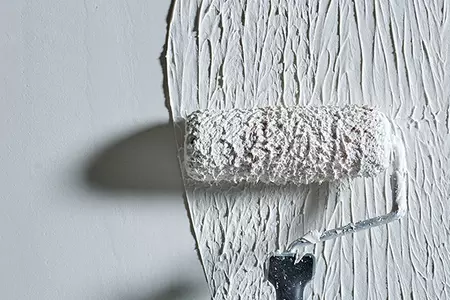
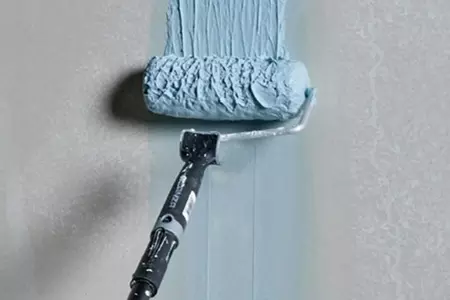
Application methods Roller filling Roller filler is a filler that can be easily rolled onto plaster or concrete walls.
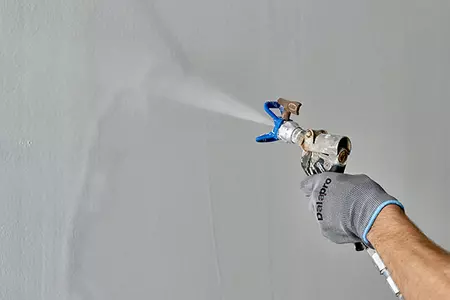
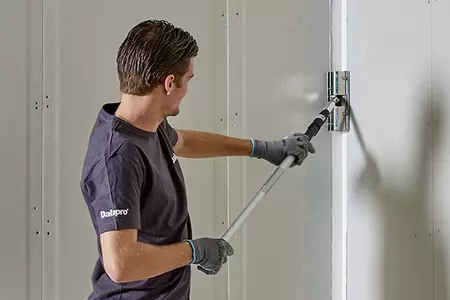
Application methods Spray filling Spray filling is a fast, ergonomic and economical work method for bigger surfaces.
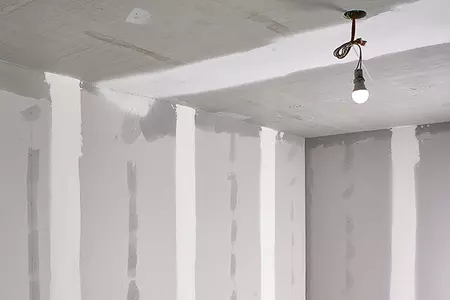
Applying filler to different substrates Applying filler to a plaster wall Here’s a step-by-step guide to applying filler to a plasterboard wall or ceiling.
Applying filler to different substrates Applying filler to a painted wall Here’s a step-by-step guide to applying filler to a painted wall.
Applying filler to different substrates Applying filler to a wallpapered wall Here’s a step-by-step guide to applying filler to a wallpapered wall.
Paper Tape Applying roller filler to joints The easiest way to cover a joint is with roller filler. Here’s a step-by-step guide to doing this.
Corner beads Corner beads The external corners of walls are particularly vulnerable to knocks and bumps- it is a good idea to reinforce them!